
Provectus is committed to creating a sustainable future by transforming waste into valuable resources. Through innovative solutions, we empower communities and industries to embrace eco-friendly practices for a healthier planet.
Food waste is more than a loss of edible resources. It is a complex challenge that touches climate, water, land, and social equity. In many regions, waste streams from homes restaurants and institutions end up in landfills where organic matter breaks down and releases methane a potent greenhouse gas. The scale of the challenge is vast and the consequences ripple through communities and economies. This article explores how the ZED Machine from Provectus Enterprising offers a practical path to sustainable waste management by transforming food waste into valuable resources while reducing environmental impact. It is a story of turning a problem into a local opportunity and of building resilient systems that communities can rely on.
Global estimates show that a large portion of food produced never reaches the table. Food waste is linked to wasted water land energy and emissions. The social dimension is profound as millions face food insecurity while perfect food is discarded. Economically the costs of disposal and environmental damage strain municipal budgets and constrain development. The understanding of these interconnections is essential for planners and decision makers who design waste management strategies for cities and regions.
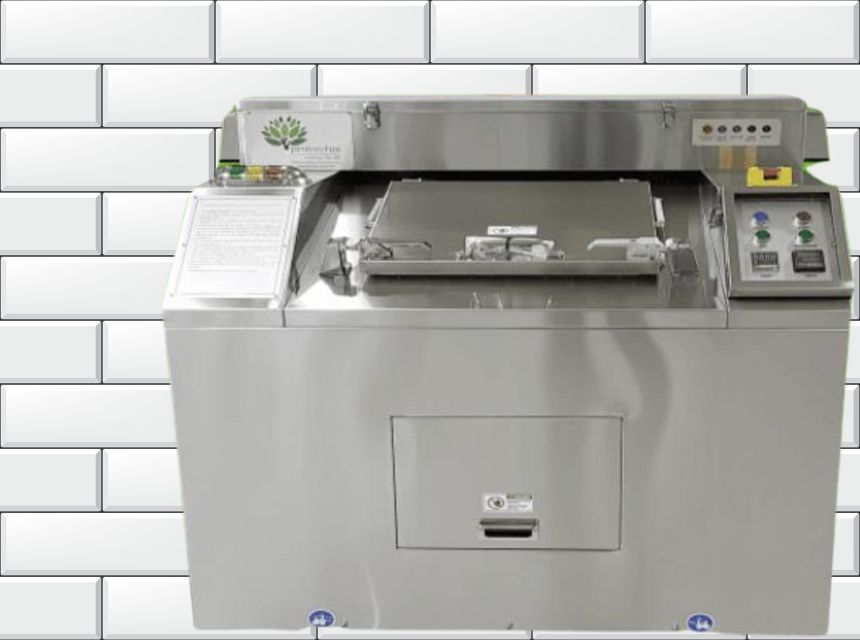
The ZED Machine is more than a waste processing unit. It is a holistic system that rapidly dehydrates food waste and generates two useful outputs 100 percent pathogen free water and sterile biomass. This approach closes the loop on waste by providing resources for agriculture and community use while mitigating environmental harm associated with traditional disposal. The result is a practical pathway to sustainable waste management that supports local food security and economic resilience.
The ZED Machine uses advanced dehydration technology to significantly reduce the volume and weight of organic waste. This step lowers handling costs and makes transport more efficient. Through a proprietary process the resulting water and biomass are rendered free of pathogens ensuring safe use in agricultural and environmental applications. This combination of volume reduction and safety is central to the machines value proposition for municipalities seeking reliable waste management solutions.
The dual outputs produced by the ZED Machine can be repurposed in meaningful ways. Pathogen free water can support irrigation and other community needs while sterile biomass can improve soil health and serve as a nutrient rich input for regenerative agriculture. By converting waste into inputs for farming and public works the machine helps cities strengthen local food systems and water stewardship.
The ZED Machine is described as a dehydration centered technology that handles organic food waste containing significant moisture. The system operates without external additives and aims to maximize resource recovery while minimizing environmental footprint. The focus remains on safe outputs and on reducing the burden on landfills which remain a major source of methane emissions in many regions.
Dehydration reduces the mass and volume of waste making collection and transport more efficient. The machine is designed to manage a variety of organic streams from kitchen prep waste to leftover prepared foods. By concentrating moisture removal the system lowers the logistical costs associated with handling large quantities of waste and prepares the material for safe downstream uses.
A key feature is the commitment to pathogen free outputs. The process ensures that both water and biomass meet safety standards for agricultural and environmental use. This is crucial for protecting public health and for enabling communities to rely on recycled resources without creating new risks.
The ZED Machine does not stop at reducing waste. It actively creates resources that can be deployed across agriculture and community projects. The output strategy supports several critical objectives including water resilience, soil improvement, and local job creation. This fits squarely within a broader vision of sustainable waste management that aligns with circular economy principles.
A portion of the process can contribute to short local supply chains by converting waste into edible items or ingredients suitable for community programs once safety and regulatory criteria are met. This approach helps reduce waste while supporting nutrition and local resilience.
Water scarcity is a growing concern in many regions. The ZED Machine produces pathogen free water that can be used for irrigation and other non potable needs. Local governments can use this resource to strengthen agricultural productivity while reducing pressure on freshwater resources.
The sterile biomass provides a nutrient rich input for soil improvement. When used in regenerative agriculture practices it can contribute to soil structure, moisture retention, and microbial activity which in turn supports crop yields and resilience against climate variability.
A central aim of the ZED Machine is to promote circular economy thinking by transforming waste into inputs that sustain and strengthen local economies. When waste becomes a resource that supports farming and water management, communities gain a more resilient framework for growth. This approach also helps cities address landfill diversion initiatives and reduce greenhouse gas emissions associated with waste management.
The circular economy is about keeping materials in productive use for as long as possible. The ZED Machine aligns with this mindset by turning waste into water and biomass that can sustain agriculture and community projects. The result is reduced dependence on virgin resources and a smaller environmental footprint across the waste life cycle.
By diverting organic waste from landfills the system reduces methane emissions and other pollutants. Localized processing supports shorter supply chains, lowers transport emissions and contributes to broader climate goals including net zero initiatives in municipal operations.
Adopting the ZED Machine requires thoughtful planning, budgeting, and stakeholder engagement. The following considerations provide a practical framework for city officials and waste management authorities to assess readiness and build a path toward scalable implementation.
Successful deployment begins with a clear problem statement and aligned goals across public health, environmental protection, and economic development. Stakeholders include city sanitation departments, public health authorities, farmers, universities, and local enterprises. A shared vision helps secure funding and regulatory approvals and ensures a smooth transition from pilot to full scale operations.
Site selection depends on access to waste streams, water supply, energy availability, and logistics. The ZED Machine requires a controlled environment that supports hygiene, maintenance, and safe handling of outputs. A checklist helps planners evaluate site readiness and avoid common bottlenecks in initial setup.
Financial planning should consider capital expenditure, operating costs, maintenance, and potential revenue from recovered outputs. While the precise ROI varies by scale and local conditions, the economic case rests on reducing landfill fees, water purchase costs, and input costs for soil and agriculture. Compliance with health, safety and environmental regulations is essential for long term success.
No one learns faster than communities when they see real world impact. The story No Pumpkins Left Behind illustrates how communities can mobilize around waste reduction and food security. While the details are context specific, the underlying message is universal the right technology and local collaboration can transform waste into nourishment and opportunity. Operational insights from the ZED Machine in action further demonstrate how loading and recycling processes unfold with emphasis on hygiene and efficiency. These narratives help practitioners imagine the practical pathways to sustainable waste management and resilient local economies.
Real world stories show that change is possible when stakeholders commit to a shared path. These stories highlight community leadership, municipal collaboration, and the visible benefits of reducing waste and improving access to resources. By focusing on people and partnerships the narrative becomes a guide for others seeking to adopt food waste recycling solutions in their own cities.
For municipal authorities considering adoption a closer look at the ZED Machine operations offers transparency. An operational video detailing loading and recycling processes helps decision makers evaluate hygiene standards and process reliability. These insights support informed procurement and help teams plan training and safety protocols for staff and contractors.
Quantifying impact is essential for funding, policy making and continuous improvement. The ZED Machine contributes to multiple metrics including waste diversion, water reuse, soil health, and job creation. A structured measurement framework supports ongoing reporting and helps communicate value to residents and stakeholders.
Key metrics include landfill diversion rates, greenhouse gas emissions reductions, water usage efficiency, and soil quality improvements. Tracking these indicators over time provides a clear view of progress toward climate and sustainability targets and helps justify continued investment in food waste recycling solutions.
Beyond environmental outcomes, the social value of reducing waste includes improved food security, community engagement, and local employment opportunities. Economic metrics can track cost savings from reduced waste disposal and potential revenue streams from recovered outputs and services provided by the ZED Machine ecosystem.
The following tips help organizations maximize the benefits of a ZED Machine based program while ensuring safety, efficiency, and community acceptance.
Begin with a targeted pilot that processes a defined waste stream and produces measurable outputs. Use the results to refine logistics and expand to additional facilities. A clear roadmap helps stakeholders visualize milestones and manage risk.
Coordinated engagement with waste management authorities, healthcare institutions, schools and food service operators yields more robust programs. Early input supports better design choices and smoother regulatory approval.
Define how water and biomass will be used in agriculture and community projects. A plan with specific irrigation allowances or soil amendment applications reduces ambiguity and increases acceptance among farmers and environmental groups.
The ZED Machine is a catalyst for sustainable waste management that aligns with climate action and food security goals. It supports circular economy strategies, reduces dependence on landfills, and helps cities build resilient local food systems. When integrated with other waste reduction measures such as source separation, composting and energy recovery, the approach amplifies environmental and social benefits across the urban landscape.
To explore how the ZED Machine can support your city or institution a consultation is available. The form on the Provectus site invites municipal waste management authorities city sanitation departments public food distribution agencies government hospitals and healthcare systems and other organizations to discuss tailored solutions. A collaborative approach can yield a practical plan that aligns with local regulations budget cycles and community needs.
The journey from waste to resource is not a single leap but a sequence of actions that begins with understanding scale and ends with practical outcomes. The ZED Machine delivers a disciplined approach to food waste recycling solutions that integrates technology safety and community benefit. It supports sustainable waste management by reducing landfill pressure generating usable outputs and creating opportunities for farmers and communities. The vision is clear a circular economy powered by local action and responsible innovation that strengthens resilience and environmental stewardship for generations to come.
If your city or organization seeks a proven path toward sustainable waste management through food waste recycling solutions contact the experts. Fill the form on the official Provectus site to request a consultation and a tailored solution that fits your waste streams budgets and strategic goals. The ZED Machine offers a practical platform to transform waste into resources and to secure a healthier planet for future generations.