
As urban populations continue to swell at an unprecedented rate globally, city authorities and municipal corporations are grappling with an escalating crisis that threatens both environmental sustainability and municipal budgets: the management of MSW.
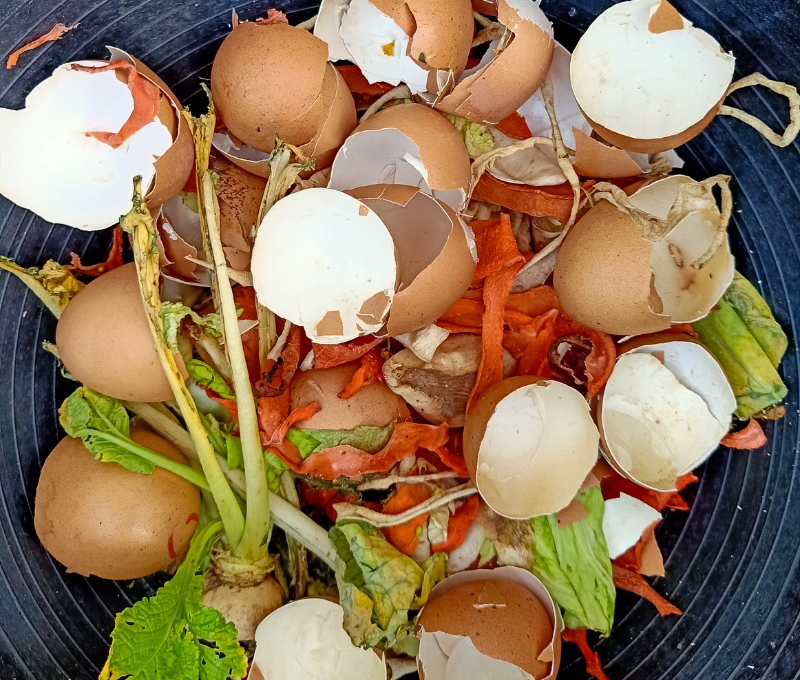
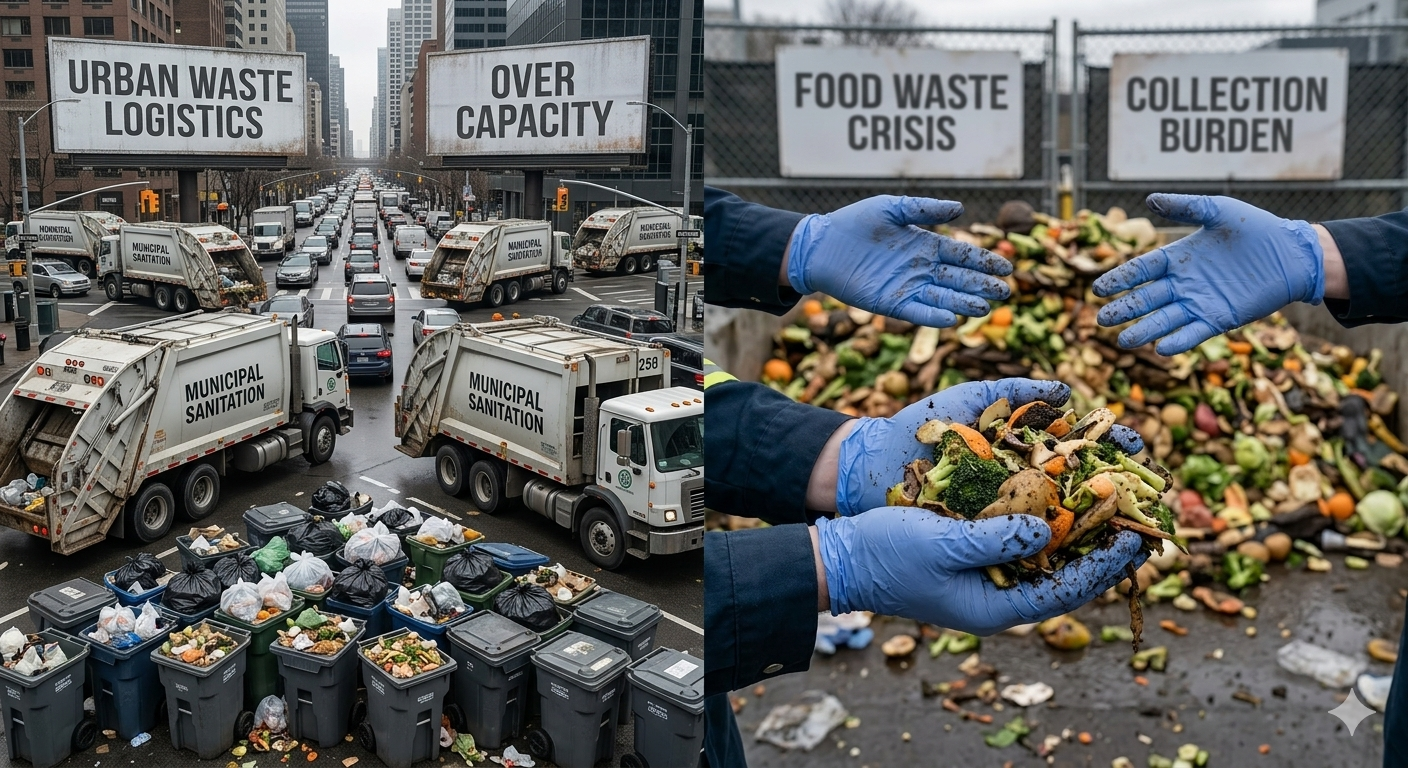
Among the various components of urban refuse, food waste stands out as one of the most problematic and prevalent. Rotting in landfills, organic waste generates copious amounts of methanea GHG significantly more potent than carbon dioxide. Furthermore, the sheer weight and volume of food waste place an enormous logistical and financial burden on city waste collection and hauling services.
In the quest for smarter, more sustainable, and economically viable urban ecosystems, traditional methods of waste disposal are no longer sufficient. Enter Provectus Enterprising Inc. and their revolutionary breakthrough in waste management technology: the ZED Machine.
The ZED Machine is a state-of-the-art food waste dehydrator and digester designed to help municipal authorities turn an environmental liability into a suite of valuable ecological resources. It acts as a transformative solution to the urban refuse pipeline.
Every single day, cities around the globe produce thousands of tons of organic waste from households, restaurants, commercial facilities, and municipal institutions. Historically, municipal corporations have relied heavily on massive landfill operations and centralized, slow-moving composting facilities to handle this influx. However, these traditional macro-models are showing severe systemic limitations.
Landfill space is finite, and establishing new municipal dump sites is fraught with:
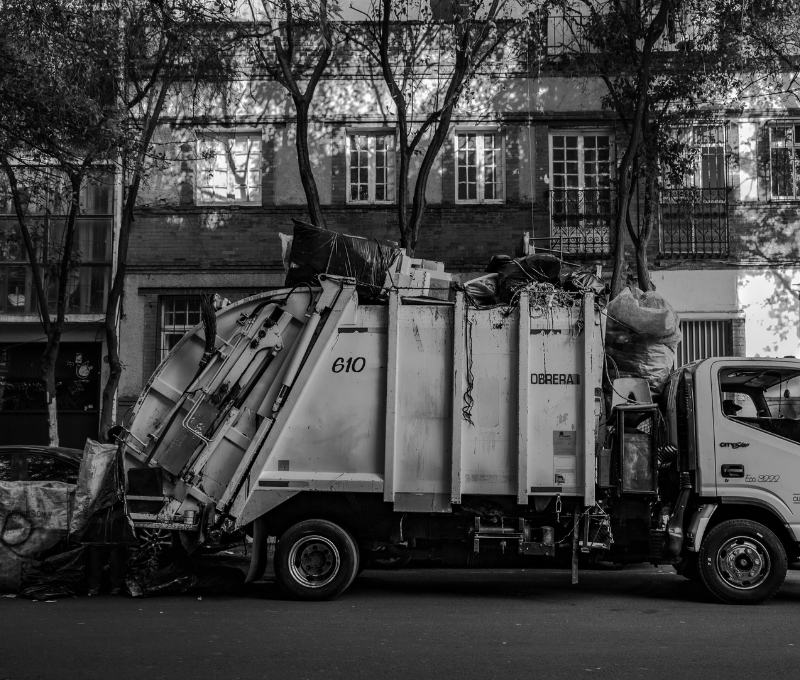
Moreover, food waste is predominantly composed of wateroften containing up to 80% moisture. Transporting this incredibly heavy, water-logged waste requires massive fleets of diesel-consuming sanitation trucks, driving up municipal OPEX and contributing heavily to urban traffic and air pollution.
Beyond the logistics, the anaerobic decomposition of food waste in landfills represents a catastrophic environmental failure, directly counteracting city-wide initiatives aimed at achieving NetZero emissions. To combat this multifaceted challenge, city authorities vitally require a decentralized, highly efficient, and technologically advanced intervention.
Provectus Enterprising Inc. has successfully engineered a definitive technical solution to the municipal food waste dilemma. Moving entirely away from outdated macerators and slow traditional composting methods, the ZED Machine is a cutting-edge dehydration and digestion system that leverages a proprietary thermal-mechanical process.
What sets this technology apart in the commercial and municipal landscape is its remarkable operational self-sufficiency. Unlike complex biological digesters that require the continuous, costly replenishment of specific bacteria, enzymes, or large volumes of freshwater to function, the ZED Machine operates entirely independently of these costly additives.
By utilizing intense, controlled thermal treatment combined with advanced mechanical agitation, the machine rapidly breaks down complex organic matter. Within a single processing cyclewhich remarkably takes to completethe system transforms wet, heavy, and potentially hazardous food waste into entirely sterile, beneficial by-products.
The ZED Machine doesn't just eliminate waste; it seamlessly integrates into the fabric of a smart city, transforming a daily liability into a tangible asset within .
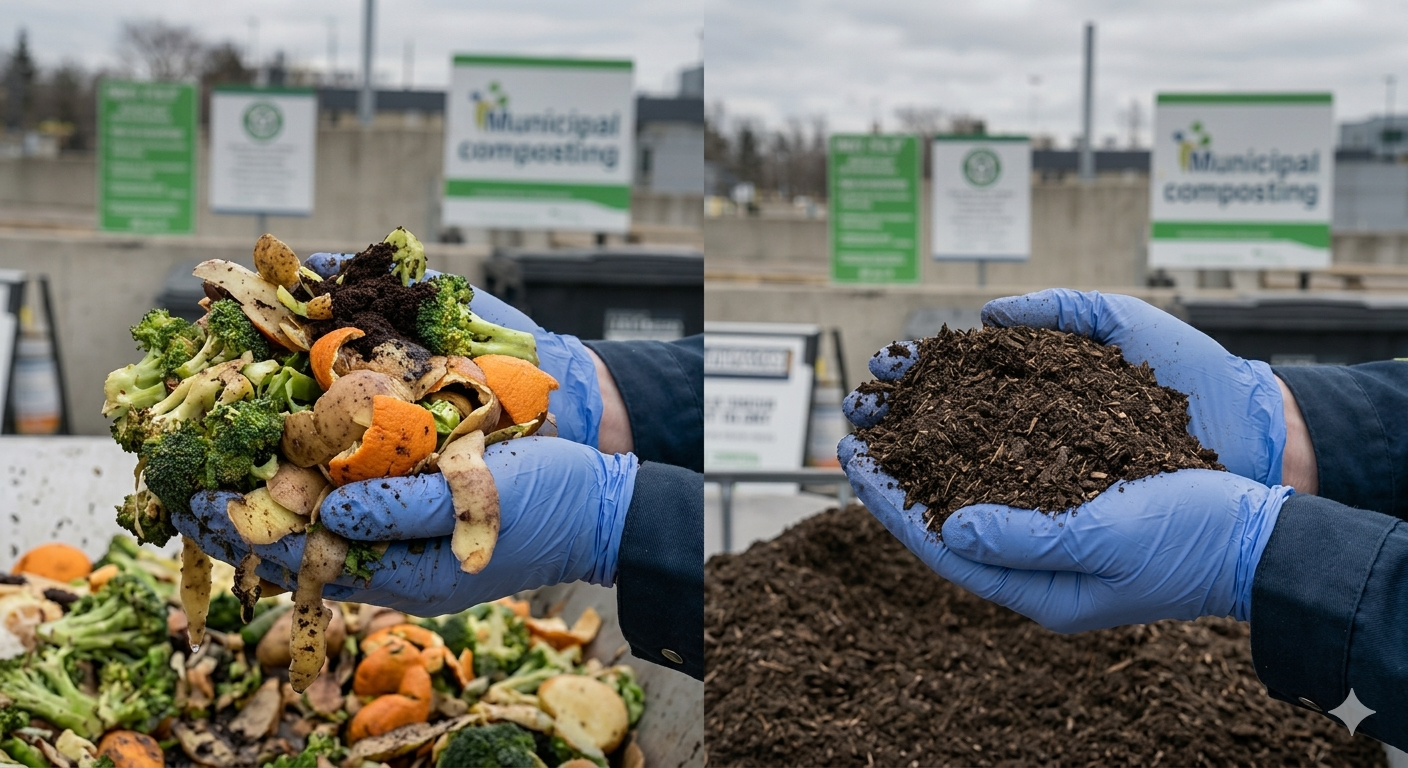
For municipal corporations, the most immediate, measurable, and tangible benefit of implementing this technology lies in its staggering capacity for volume reduction. By efficiently extracting the incredibly high moisture content inherent in food waste, the ZED Machine diminishes the initial volume and weight of the waste by an impressive 80% to 93%.
Consider the logistical and financial implications: A localized municipal processing center handling ten tons of raw, wet food waste daily can reduce that mass to less than one single ton of dry material within one day. This exponential physical reduction directly translates to:
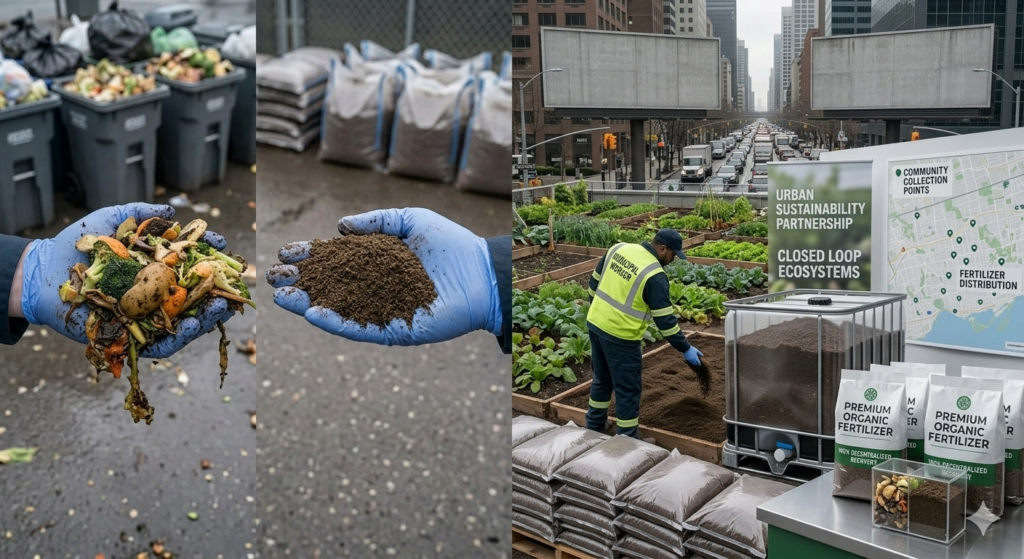
Provectus Enterprising Inc. envisions a radically different world where waste is not a dead-end, but a new beginning. The ZED process perfectly embodies the modern principles of a "circular city economy" by recovering entirely reusable resources from the daily waste stream.
The first major output is sterile, reusable water. In an era where municipalities face increasing water stress, droughts, and changing climate patterns, recovering pure water from waste is invaluable. This reclaimed water can be safely diverted for:
The second output is a highly concentrated, dry biomass. Because the advanced thermal process eradicates all pathogens and invasive seeds, the resulting biomass is a nutrient-dense, entirely safe soil amendment. City authorities can utilize this material to:
Today's municipal leaders, mayors, and city councils are under immense global and local pressure to meet stringent environmental regulations and ambitious climate targets. By proactively diverting massive quantities of organic matter away from anaerobic landfills, the ZED Machine serves as a powerful, immediate tool in the fight against global warming. Preventing the generation of landfill methane is universally recognized as one of the most effective strategies a city can employ to rapidly lower its carbon footprint.
Furthermore, the machine is explicitly designed with superior energy efficiency in mind. Featuring an intelligent power-saving mode and highly optimized thermodynamic cycles, the machine minimizes its own carbon footprint while maximizing its daily waste processing capability. For city authorities drafting their roadmaps to NetZero, this integration yields highly measurable, high-impact climate data for ESG sustainability reports.
Implementing new municipal infrastructure requires guarantees of reliability, safety, and scalability.
This automation effectively eliminates the need for intensive manual handling or specialized continuous labor, protecting municipal sanitation workers from hazardous exposures and drastically reducing operational overhead.
Because no two cities share the exact same infrastructure footprint, the system is infinitely scalable. Authorities can opt for decentralized deployment (placing mid-sized units at large institutional campuses, hospitals, or public markets) or centralized integration (installing massive, industrial-scale aggregators directly into central waste management transfer facilities).
The compounding challenges of modern urban waste management demand innovative, proactive, and radically efficient technological solutions. Provectus Enterprising Inc. has delivered exactly that.
By offering massive volume reduction, totally eliminating the need for harmful landfilling, and magically converting a massive municipal liability into pathogen-free water and nutrient-dense biomass, the ZED Machine represents the undisputed future of municipal sustainability. Partnering with Provectus Enterprising Inc. for integration represents a profound investment in a resilient, circular, and brilliantly eco-friendly urban future for generations to come.