
Provectus is committed to creating a sustainable future by transforming waste into valuable resources. Through innovative solutions, we empower communities and industries to embrace eco-friendly practices for a healthier planet.
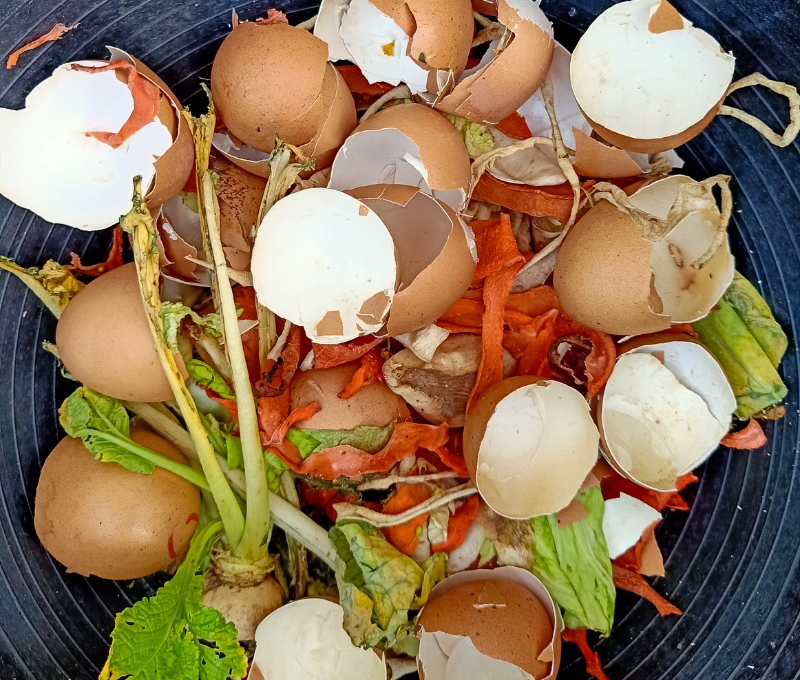
For decades, MSW management has universally been categorized as a massive, unavoidable "cost center" on city ledgers. Among the various types of refuse handled daily, food waste is the most notoriously expensive. Heavy, wet, and highly prone to rapid rotting, organic waste demands specialized hauling, incurs staggering tipping fees at constrained landfills, and leads to long-term environmental remediation costs.
As global populations urbanize and budgets tighten, city authorities and municipal corporations are desperately seeking financial relief from the crushing weight of traditional waste management economics.
The solution to this fiscal drain is not to build bigger landfills or deploy more diesel sanitation fleets. The solution is Provectus Enterprising Inc's ZED Machine. By introducing a decentralized, high-efficiency thermal-mechanical processor into the municipal infrastructure, city planners can fundamentally rewrite the economic realities of food waste.
The ZED Machine is not merely an environmental tool; it is a profound fiscal instrument capable of pivoting a city's waste handling from a severe financial liability into a highly lucrative circular economy asset.
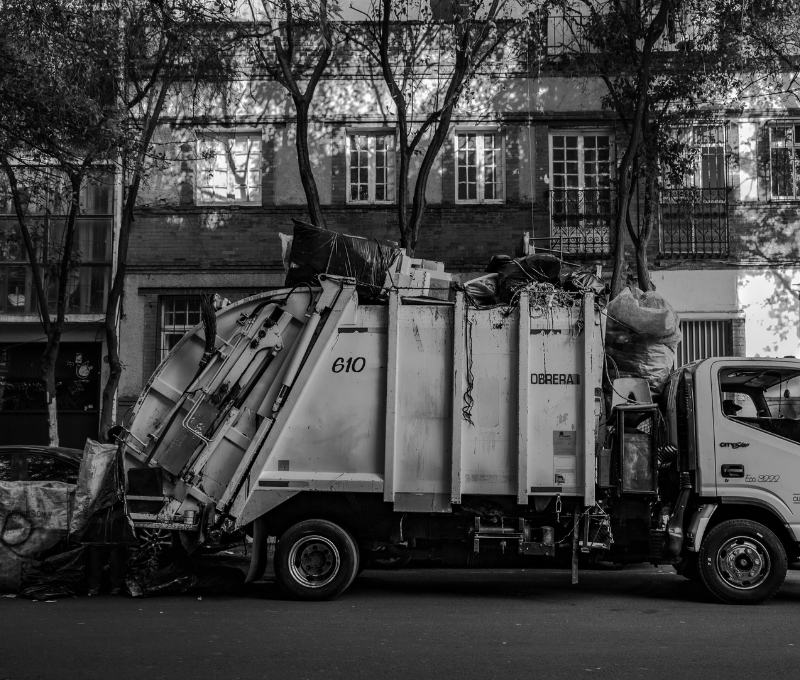
To understand the financial revolution the ZED Machine offers, one must first dissect the current economic failure of traditional food waste processing. Food waste is composed primarily of water—frequently exceeding 80% moisture content by volume. When municipalities dispatch heavy-duty sanitation fleets to collect organic refuse, they are, in essence, spending millions of taxpayer dollars to transport useless, heavy water across city streets to distant dump sites.
This "wet weight" dynamic triggers a cascade of compounding costs:
Provectus Enterprising Inc. engineered the ZED Machine specifically to attack this logistics nightmare at its source. Utilizing a highly sophisticated thermal-mechanical dehydration and digestion process, the ZED Machine rapidly evaporates the moisture trapped within organic matter while breaking down its cellular structure. It does this without requiring the costly, continuous purchase of biological additives, enzymes, or freshwater supplies.
By implementing ZED Machines at decentralized hubs—such as major public markets, municipal dining facilities, hospital campuses, and localized waste transfer stations—a city can intercept food waste before it ever enters the long-haul sanitation fleet.
The financial implications of reducing waste volume and weight by up to 93% on-site are staggering. A staggering ten tons of raw, wet, expensive-to-move food waste is miraculously reduced to less than a single ton of dry, easily manageable material in .
The economic brilliance of the ZED Machine extends far beyond mere cost avoidance. The process is a true embodiment of the circular economy, meaning the by-products of the system possess intrinsic, marketable value.
The intense thermal process evaporates the moisture from the food waste and condenses it into 100% pathogen-free water. Instead of purchasing fresh municipal water for non-potable civic tasks—such as street cleaning, industrial cooling, or hydrating public park landscaping—cities can utilize this reclaimed resource, effectively slashing their internal water utility expenditures.
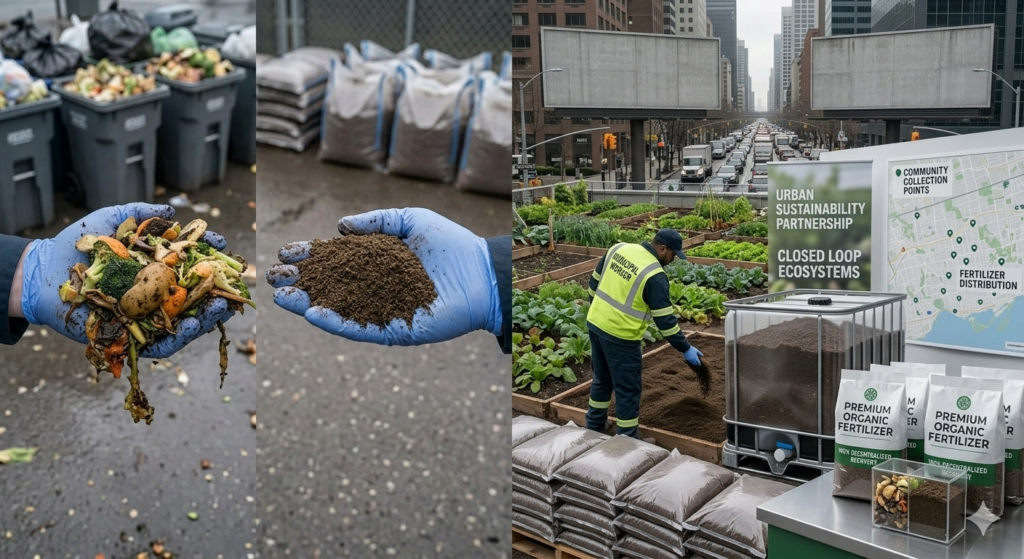
The remaining solid output is a dry, stabilized, and nutrient-dense biomass. Because the ZED process thoroughly sterilizes the material, destroying seeds and pathogens, it serves as a premium soil amendment. City authorities can package and sell this high-grade compost, transforming a former waste product into a brand-new, consistent municipal revenue stream.
We are shifting the paradigm from 'How much will it cost to bury this?' to 'How much can we earn by upcycling this?' That is the financial power of Provectus Enterprising Inc.
When municipal authorities evaluate new infrastructure, ROI and total lifetime operational costs are paramount. The ZED Machine was designed deliberately to excel in these metrics. Provectus Enterprising Inc. has integrated advanced PLCs and automated power-saving modes into the architecture of the machine.
The system intelligently modulates its thermodynamic cycles based on the precise load and moisture content of the input, ensuring that it consumes the absolute minimum electrical energy required to complete the digestion process. Furthermore, because the system is fully automated, it does not require dedicated, highly paid operators or a massive increase in municipal labor overhead.
For too long, city leaders have been forced to choose between fiscal prudence and environmental responsibility when managing municipal solid waste. The traditional systems are economically unsustainable and ecologically disastrous. **Provectus Enterprising Inc.** provides the ultimate synthesis of both goals through the ZED Machine.
By drastically shrinking the sheer mass of food waste and rendering it into valuable, sterile commodities, the ZED Machine allows municipal corporations to protect their budgets just as fiercely as they protect their local environment. Investing in this advanced thermal-mechanical technology is not just a commendable green initiative; it is quite arguably the most mathematically sound financial decision a modern city's waste management authority can make today.
Globally, approximately 50% of MSW streams consist of organic waste. Food waste emits methane gas (GHG) that is directly contributing to global warming impact. Landfill diversion is necessary as most landfills are in overcapacity mode world-wide. Provectus engagement earn carbon credits!
Why throw away resources?